
Interest in alternative renewable energy solutions has grown rapidly in recent years, and one of the newest products attracting attention is plug-in solar panels. Designed as a simpler and more affordable entry point into solar energy, these systems are increasingly being discussed across the UK, particularly for flats, rented properties, and homes without suitable roof space.
But what are plug-in solar panels, how do they work, and can they genuinely compete with a professional solar panel installation?
While plug-in systems may offer some benefits in specific situations, there are important differences homeowners should understand before deciding which option is right for them.
What Are Plug-In Solar Panels?
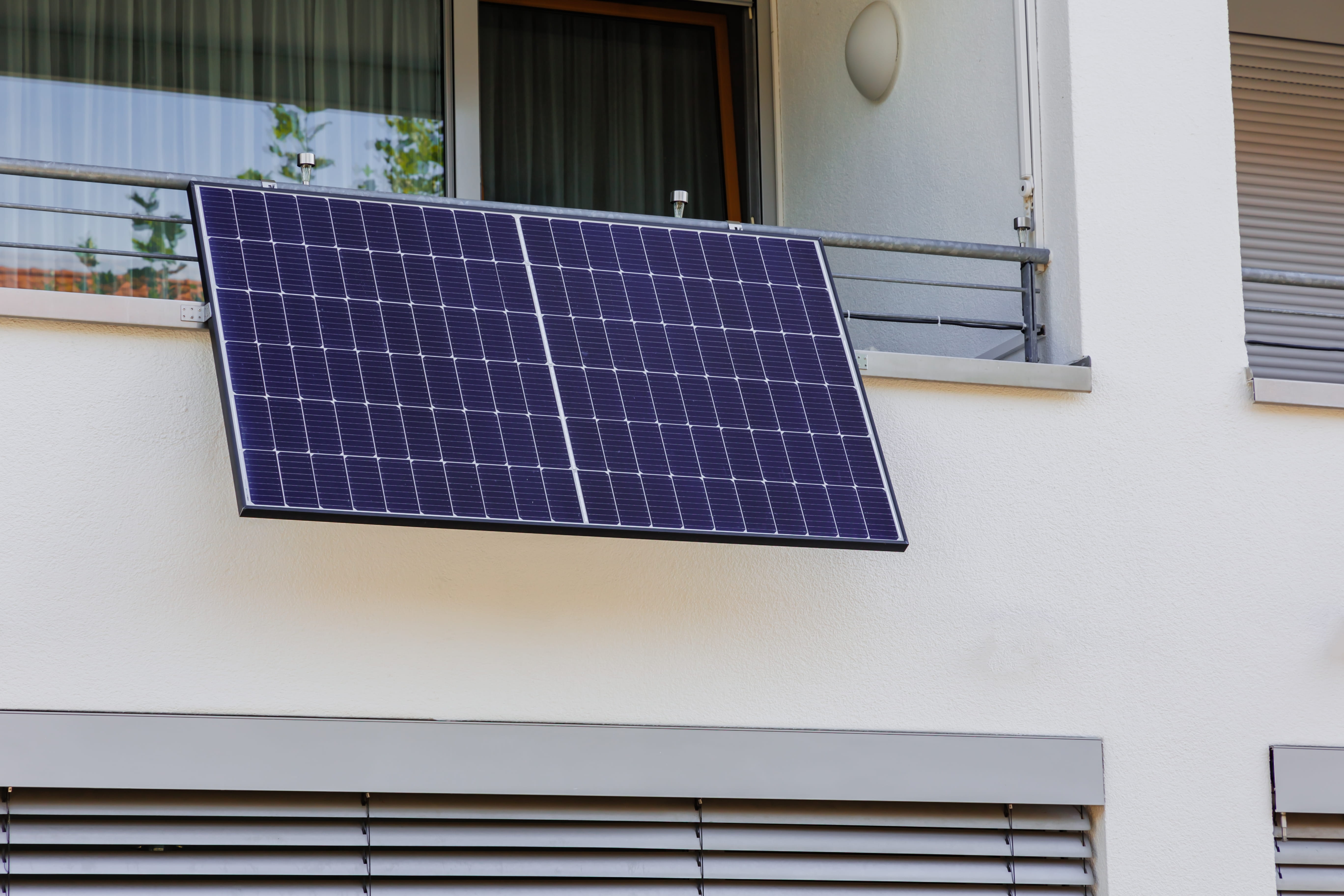
What are plug-in solar panels? Well, put simply, plug-in solar panels are small-scale solar systems designed to connect directly into a standard plug socket rather than being permanently integrated into a property’s electrical system.
Most plug-in solar panels are:
- Smaller than traditional roof-mounted systems
- Portable or semi-permanent
- Designed for balconies, gardens, sheds, or patios
- Intended to offset a small amount of electricity usage
The concept has become particularly popular in parts of Europe where apartment living is more common, and the UK government has recently shown interest in how these systems could help households with limited roof access reduce some energy usage.
Because they are simpler to install, plug-in solar panels are often marketed as:
- lower-cost solar solutions
- beginner-friendly renewable systems
- solar for flats or renters
- “DIY solar”
For some properties, that may make sense. However, it is important to understand their limitations compared to a professionally designed solar PV installation.
Where Plug-In Solar Panels Can Work Well
If you are asking yourself, “What are plug-in solar panels and will they work for me?”, there are certain situations where they can provide value.
Flats and Apartments
For properties without roof ownership rights or suitable roof space, plug-in systems may provide a way to generate a small amount of renewable electricity.
Renters
Some renters may not be able to install permanent roof solar systems, making portable or removable solar systems more practical.
Small Energy Offsets
Plug-in systems can help power low-demand devices or reduce a small proportion of daytime electricity use.
For households that would otherwise have no access to solar at all, plug-in solar panels may offer a useful introduction to renewable energy and energy awareness.
The Limitations of Plug-In Solar Panels
While interest in plug-in solar panels is growing, they are not designed to replace a full solar PV system.
This is where many homeowners need to be careful when considering “what are plug-in solar panels and are they right for me”, as marketing around these systems can sometimes overstate the financial impact.
Limited Energy Generation
The biggest limitation is scale.
A professionally installed roof solar system is designed around:
- roof size
- household electricity usage
- inverter capacity
- long-term energy demand
By comparison, plug-in solar panels generate a much smaller amount of electricity, meaning the reduction in energy bills is often relatively modest.
No Whole-Home Optimisation
Traditional solar systems are designed as part of the property’s wider energy setup.
This may include:
- battery storage
- EV charging integration
- monitoring systems
- smart export tariffs
- future scalability
When considering “what are plug-in solar panels and are they right for me?”, it is worth noting that most plug-in systems do not offer this level of optimisation or long-term flexibility.
Reduced Long-Term Savings
Because generation capacity is smaller, overall financial savings are also typically far lower than roof-mounted solar.
For homeowners looking to significantly reduce reliance on the grid or protect themselves against rising energy prices (set every 3 months by Ofgem), professionally installed solar remains the stronger long-term investment.
What Are Plug-In Solar Panels Compared to Roof Solar Systems?
Understanding the difference between plug-in systems and full roof solar is essential before making a decision.
Plug-In Solar Panels
Best suited for:
- flats
- renters
- small electricity offsets
- limited outdoor space
Advantages:
- lower upfront cost
- simpler installation
- portable in some cases
Limitations:
- low energy generation
- limited savings
- minimal scalability
- little integration with batteries or EV charging
Roof Solar Systems
Best suited for:
- homeowners
- family homes
- properties with suitable roof space
- households seeking meaningful savings
Advantages:
- significantly higher energy generation
- lower long-term electricity costs
- battery storage integration
- EV charging compatibility
- stronger return on investment
- professionally designed system performance
At Orton & Wenlock, every solar panel installation is designed around the property, energy usage, and long-term financial return, ensuring the system performs properly over time rather than simply generating a small amount of supplementary electricity.
Why Professionally Installed Solar Still Delivers Greater Value
For most homeowners with suitable roof space, a professionally installed solar PV system remains the far more effective option.
Modern roof solar systems are designed to:
- maximise available roof space
- generate substantially more electricity
- integrate with Solar Battery Storage
- support EV charging
- reduce long-term operating costs
They are also installed with full consideration for:
- electrical safety
- system performance
- warranties
- compliance
- future upgrades
This creates a far more robust and financially beneficial energy solution over the long term.
Final Thoughts on What Are Plug-In Solar Panels
So, what are plug-in solar panels really offering?
For flats, renters, or properties without suitable roof space, they may provide a practical way to access some renewable energy generation at a lower upfront cost.
However, they should not be viewed as a direct replacement for a professionally installed roof solar system.
For homeowners looking to achieve meaningful reductions in electricity bills, greater energy independence, and stronger long-term return on investment, traditional roof-mounted solar remains the superior solution.
As experienced Domestic Solar Panel Installers, Orton & Wenlock designs systems tailored to each property, helping homeowners across Essex invest in solar solutions built for long-term performance and measurable savings. If you want to discuss what are plug-in solar panels and explore whether traditional solar panel installation is a better option, contact us today.